How to Use CSS Animations for Better UX in 2026: A Complete Guide
April 28, 2026
What Are the Trends in Card-Based Layouts for 2026?
April 28, 2026How to Design a Website with a Focus on Speed in 2026?
In 2026, website speed is not just a technical metric—it’s a fundamental pillar of user experience, SEO rankings, and business success. With attention spans shrinking and search engines prioritizing performance, knowing how to design a website with a focus on speed in 2026 is essential for every web professional. This comprehensive guide covers the latest strategies, tools, and best practices to ensure your website loads in the blink of an eye.
Why Speed Matters More Than Ever in 2026
Speed directly impacts user satisfaction, conversion rates, and search engine visibility. Studies show that a one-second delay in page load time can reduce conversions by 7%. In 2026, with the proliferation of mobile browsing and the rollout of advanced Core Web Vitals metrics, Google and other search engines penalize slow sites more aggressively. Additionally, users expect near-instantaneous loading—any delay can drive them to competitors. Therefore, embedding speed into your design process from the start is non-negotiable.
Core Principles of a Speed-First Design in 2026
1. Embrace a Mobile-First and Lightweight Approach
Design for mobile devices first, as they often have slower connections. Use responsive design with minimal, efficient code. Prioritize content hierarchy and avoid heavy elements that bloat the page.
2. Optimize for Core Web Vitals
Google’s Core Web Vitals (LCP, FID, CLS) remain critical. Aim for:
- LCP (Largest Contentful Paint): Under 2.5 seconds.
- FID (First Input Delay): Under 100 milliseconds.
- CLS (Cumulative Layout Shift): Under 0.1.
Use tools like Lighthouse and PageSpeed Insights to monitor these metrics throughout the design process.
3. Adopt a Performance Budget
Set strict limits on page weight, number of requests, and load time. For example, keep total page size under 500KB and ensure JavaScript bundles are under 150KB. This forces you to make deliberate choices about what to include.
Designing for Speed: Technical Strategies for 2026
1. Use Modern Image Formats and Lazy Loading
Images often account for the largest portion of page weight. In 2026, use AVIF or WebP formats for superior compression. Implement lazy loading with native loading="lazy" attribute so images load only when needed. Also, serve responsive images using srcset and sizes attributes.
2. Minimize and Defer JavaScript
JavaScript can block rendering. Use async or defer for non-critical scripts. Consider code splitting to load only what’s necessary for the current view. In 2026, frameworks like Next.js and Nuxt offer built-in optimizations for JavaScript delivery.
3. Leverage Edge Computing and CDNs
Content Delivery Networks (CDNs) distribute your assets globally, reducing latency. Edge computing platforms like Cloudflare Workers or Vercel Edge Functions allow you to run code closer to users, further speeding up dynamic content.
4. Implement HTTP/3 and QUIC
HTTP/3, built on QUIC, reduces connection establishment time and improves performance on unreliable networks. Ensure your hosting provider supports HTTP/3 for faster, more reliable connections.
5. Optimize Fonts
Use system fonts or self-hosted, subsetted web fonts to avoid extra requests. Use font-display: swap to ensure text remains visible during font loading.
Design Decisions That Impact Speed
1. Minimalist Design Philosophy
Keep layouts simple. Avoid excessive animations, carousels, and large background videos. Every element should serve a purpose. A clean design not only loads faster but also improves usability.
2. Efficient CSS and HTML
Write semantic HTML and modular CSS. Use CSS Grid and Flexbox for layouts instead of heavy frameworks. Purge unused CSS with tools like PurgeCSS. Inline critical CSS for above-the-fold content to reduce render-blocking.
3. Choose a Performance-Oriented CMS or Framework
Static site generators (e.g., Hugo, Eleventy) or modern frameworks (e.g., Astro, SvelteKit) produce lightweight output. If using WordPress, choose lightweight themes and plugins, and consider using a static site generator like Gatsby.
Testing and Monitoring Speed in 2026
Continuous testing is vital. Use:
- Lighthouse for lab-based audits.
- WebPageTest for real-world conditions.
- CrUX (Chrome User Experience Report) for field data.
- Real User Monitoring (RUM) tools like SpeedCurve or Datadog to track actual user experiences.
Set up performance alerts to catch regressions immediately.
Future-Proofing Your Speed Strategy
Stay updated with evolving web standards. In 2026, look out for:
- Speculation Rules API for predictive prefetching.
- View Transitions API for smooth, fast transitions.
- Priority Hints to control resource loading order.
Adopt a culture of performance within your team—make speed a core feature, not an afterthought.
Conclusion
Designing a website with a focus on speed in 2026 requires a holistic approach that blends thoughtful design, modern technology, and rigorous testing. By prioritizing performance from the outset, you create a better user experience, achieve higher search rankings, and drive more conversions. Remember, speed is not a one-time fix but an ongoing commitment. Start implementing these strategies today to ensure your website is fast, competitive, and ready for the future.
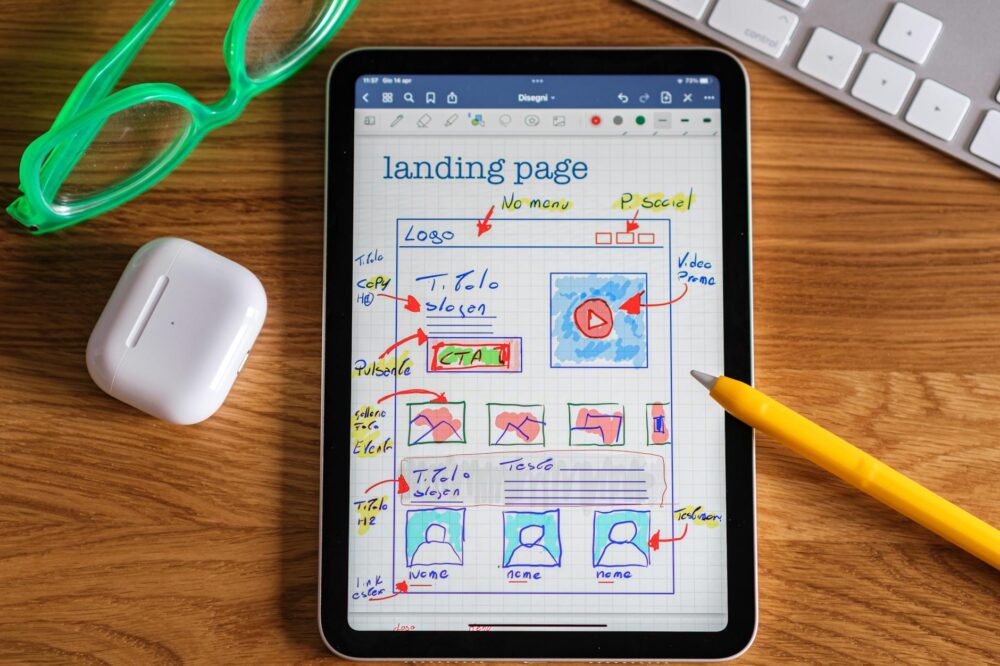
Photo by Davide Baraldi on Pexels