

What Is the Best Way to Showcase a Portfolio Online? A Complete Guide
April 28, 2026How to Use CSS Animations in Web Design 2026: A Complete Guide
April 28, 2026What Is the Impact of Headless CMS on Web Design 2026?
Introduction
As we move further into 2026, the digital landscape continues to evolve at a rapid pace. One of the most transformative shifts in web development is the adoption of headless content management systems (CMS). But what is the impact of headless CMS on web design 2026? This question is on the minds of designers, developers, and business owners alike. In this article, we will explore how headless CMS is redefining web design, offering unprecedented flexibility, performance, and user experiences. Whether you are a seasoned professional or just starting out, understanding these changes is crucial for staying ahead in the competitive digital space.
Understanding Headless CMS
Before diving into its impact, let’s clarify what a headless CMS is. Unlike traditional CMS platforms like WordPress or Drupal, a headless CMS separates the content management backend from the frontend presentation layer. This means content is stored and managed in a repository and delivered via APIs to any frontend—be it a website, mobile app, smartwatch, or IoT device. This decoupled architecture gives developers the freedom to choose any frontend technology, such as React, Vue.js, or Angular, without being constrained by the CMS’s templating system.
Key Characteristics of Headless CMS
- API-First Approach: Content is delivered through RESTful or GraphQL APIs, enabling seamless integration with various platforms.
- Decoupled Frontend and Backend: The frontend and backend operate independently, allowing for more agile development and deployment.
- Omnichannel Delivery: Content can be published across multiple channels from a single source, ensuring consistency.
- Developer Freedom: Teams can use their preferred tools and frameworks without CMS limitations.
The Impact on Web Design in 2026
So, what is the impact of headless CMS on web design 2026? The answer lies in several key areas that are fundamentally changing how websites are conceived, built, and experienced.
1. Unprecedented Design Flexibility
In 2026, designers are no longer bound by the constraints of traditional CMS templates. With a headless CMS, the frontend is completely customizable. This means designers can create unique, brand-specific experiences without worrying about compatibility with a CMS’s built-in themes. For example, a fashion e-commerce site can implement complex animations and interactive elements that would be difficult to achieve with a monolithic CMS. The result is more creative freedom and the ability to deliver truly differentiated digital experiences.
2. Faster Performance and Better Core Web Vitals
Performance is a critical factor in web design, especially with Google’s emphasis on Core Web Vitals. Headless CMS architectures often result in faster load times because the frontend can be optimized independently. Static site generators (SSGs) like Next.js or Gatsby can pre-render pages, reducing server response times and improving user experience. In 2026, as attention spans shorten and competition intensifies, performance gains from headless CMS can significantly impact bounce rates and conversions. Studies show that a one-second delay in page load can reduce conversions by 7%, making speed a top priority.
3. Enhanced Omnichannel Experiences
Modern users interact with brands across multiple touchpoints—websites, mobile apps, voice assistants, smart TVs, and more. A headless CMS enables designers to create consistent, seamless experiences across all these channels. For instance, a user might start reading an article on their phone, continue on their laptop, and later access the same content via a smart speaker. In 2026, this omnichannel capability is not just a nice-to-have but a necessity. Designers must think beyond the web and craft experiences that adapt fluidly to different devices and contexts.
4. Improved Developer-Designer Collaboration
The decoupled nature of headless CMS fosters better collaboration between designers and developers. Designers can work on the frontend without interfering with the backend content structure, and developers can build robust APIs without affecting the visual design. This parallel workflow speeds up project timelines and reduces friction. In 2026, tools like Figma and Storybook are often integrated into headless workflows, allowing for component-based design systems that are both scalable and consistent.
5. Future-Proofing and Scalability
Technology evolves rapidly, and a headless CMS helps future-proof web designs. Because the frontend and backend are decoupled, you can update or completely redesign the frontend without migrating content. For example, if a new JavaScript framework becomes popular in 2027, you can rebuild the frontend using that framework while keeping the same backend. This flexibility is invaluable for businesses that want to stay current without undergoing costly and time-consuming migrations. In 2026, scalability is also enhanced, as headless CMS can handle traffic spikes by scaling the frontend independently.
Challenges to Consider
While the impact of headless CMS on web design in 2026 is largely positive, there are challenges that designers and developers must navigate.
1. Increased Complexity
Headless CMS requires a higher level of technical expertise compared to traditional CMS. Setting up APIs, managing multiple frontend frameworks, and ensuring security can be daunting for smaller teams. In 2026, many organizations invest in specialized talent or use headless CMS platforms that offer pre-built integrations to mitigate this complexity.
2. Content Preview and WYSIWYG Limitations
Traditional CMS platforms offer a “what you see is what you get” (WYSIWYG) editor that makes content creation intuitive. With headless CMS, content editors often work in a separate backend, and previewing how content will look on the frontend requires additional setup. However, by 2026, many headless CMS providers have improved their preview capabilities, offering live previews and visual editing tools that bridge this gap.
3. Cost Considerations
Adopting a headless CMS can be more expensive initially due to the need for custom development and possibly higher subscription fees. However, the long-term benefits of flexibility, performance, and scalability often outweigh the upfront costs. For businesses with complex omnichannel needs, headless CMS can actually reduce overall costs by eliminating the need to manage multiple separate systems.
Real-World Examples in 2026
To illustrate what is the impact of headless CMS on web design 2026, let’s look at a few real-world scenarios.
E-Commerce: Personalized Shopping Experiences
An online retailer uses a headless CMS to power its website and mobile app. The frontend, built with React, delivers personalized product recommendations and dynamic pricing based on user behavior. The backend manages product data, inventory, and content. As a result, the retailer sees a 20% increase in conversion rates and a 15% reduction in page load times. In 2026, such personalization is expected, and headless CMS makes it feasible without backend constraints.
Media and Publishing: Multichannel Content Delivery
A news organization adopts a headless CMS to distribute articles across its website, mobile app, and smart speakers. Editors write content once, and the API delivers it appropriately for each channel. The website uses a static site generator for fast loading, while the app uses native components. In 2026, this approach enables the organization to reach audiences wherever they are, improving engagement and ad revenue.
Corporate Sites: Global Consistency
A multinational corporation uses a headless CMS to maintain a consistent brand presence across dozens of country-specific sites. Each site has its own frontend, customized for local preferences, but all pull content from a central repository. This ensures brand consistency while allowing for local flexibility. In 2026, global brands rely on headless CMS to manage complex, multilingual content ecosystems efficiently.
Best Practices for Web Designers in 2026
To leverage the full potential of headless CMS, designers should follow these best practices.
1. Adopt a Component-Based Design System
Break down the user interface into reusable components (e.g., buttons, cards, headers). This aligns with the modular nature of headless CMS and facilitates consistency across channels. Tools like Storybook can help document and test components.
2. Prioritize Performance from the Start
Design with performance in mind. Use lazy loading, optimize images, and minimize JavaScript. Since headless CMS allows for independent frontend optimization, make sure to implement performance best practices early in the design process.
3. Plan for Omnichannel
Consider how content will be displayed on different devices and platforms. Design flexible layouts that adapt gracefully. Use responsive design principles and test across various screen sizes and interaction methods.
4. Collaborate Closely with Developers
Headless CMS projects require tight collaboration between designers and developers. Use shared design tokens, participate in sprint planning, and maintain open communication to ensure that the design vision is technically feasible.
5. Invest in Content Modeling
Content modeling is crucial in headless CMS. Work with content strategists to define content types and relationships that will support your design needs. Well-structured content makes it easier to reuse and adapt across channels.
The Future Beyond 2026
Looking ahead, the impact of headless CMS on web design will only deepen. Emerging technologies like artificial intelligence, augmented reality, and voice interfaces will integrate more seamlessly with headless architectures. Designers will need to think beyond screens and create multi-sensory experiences. The flexibility of headless CMS will be a key enabler of these innovations. As we move further into the decade, the question is not whether to adopt headless CMS, but how to best leverage it for your specific needs.
Conclusion
In summary, what is the impact of headless CMS on web design 2026? It is a paradigm shift that empowers designers with unprecedented flexibility, improves performance, enables omnichannel delivery, and fosters better collaboration. While challenges exist, the benefits far outweigh the drawbacks for most organizations. As web design continues to evolve, headless CMS will remain at the forefront, driving innovation and enabling experiences that were once impossible. Whether you are redesigning your site or starting from scratch, considering a headless CMS is a forward-thinking move that can set you up for success in 2026 and beyond.
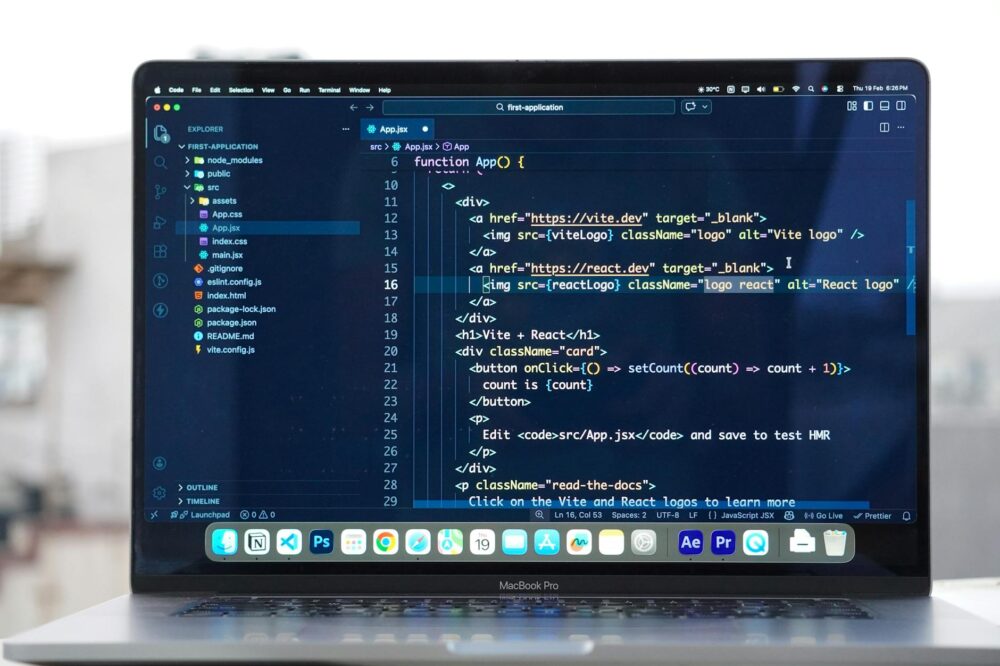
Photo by Meet Patel on Pexels
