How to Become an SEO Consultant in Melbourne: A Complete Guide
April 29, 2026
How to Optimize for Google’s Near Me Searches in Australia 2026
April 29, 2026The Impact of No-Code Tools on Web Design Trends in 2026
Introduction
The web design landscape is undergoing a seismic shift, driven by the rapid adoption of no-code tools. As we look toward 2026, the impact of no-code tools on web design trends is becoming increasingly profound. These platforms empower non-developers to create sophisticated websites, challenging traditional design workflows and democratizing digital creation. In this article, we explore the key ways no-code tools are influencing web design trends in 2026, from visual development to AI-driven personalization.
Democratization of Web Design
No-code tools have lowered the barrier to entry for web design. By 2026, this democratization will be fully realized, with a diverse range of creators—entrepreneurs, marketers, and designers—building websites without writing a single line of code. This trend is reshaping the industry, making web design more accessible and inclusive.
Empowering Non-Designers
Platforms like Webflow, Bubble, and Wix allow users to drag and drop elements, customize layouts, and manage content visually. As a result, the impact of no-code tools on web design trends in 2026 includes a surge in user-generated websites that are both functional and aesthetically pleasing. Non-designers can now create professional-grade sites, reducing reliance on specialized developers for small to medium projects.
Rise of the Citizen Developer
The concept of the “citizen developer” has gained traction. These individuals use no-code platforms to solve business problems quickly. In 2026, citizen developers are influencing web design by prioritizing speed and functionality over pixel-perfect design. This shift leads to more pragmatic, user-centric interfaces that focus on core tasks.
AI Integration and Smart Design
Artificial intelligence is a cornerstone of modern no-code tools. By 2026, AI-driven features will be standard, automating repetitive tasks and offering intelligent design suggestions. This integration is a major part of the impact of no-code tools on web design trends in 2026.
Automated Layout Generation
Tools like Framer and Wix ADI use AI to generate complete layouts based on user preferences. Designers can start with a smart template and customize it, saving hours of manual work. This trend encourages experimentation with diverse layouts, as AI handles the heavy lifting of consistency and alignment.
Personalization at Scale
No-code platforms now incorporate AI to deliver personalized experiences. For example, a no-code website can dynamically adjust content, images, and calls to action based on user behavior. In 2026, personalization is a key trend, and no-code tools make it accessible to businesses of all sizes.
Component-Based Design Systems
No-code tools promote modularity through reusable components. This approach aligns with the broader design trend of atomic design, where interfaces are built from small, interchangeable elements. The impact of no-code tools on web design trends in 2026 includes widespread adoption of component libraries.
Consistency and Efficiency
Designers can create a library of components—buttons, cards, forms—and reuse them across pages. This ensures visual consistency and speeds up development. In 2026, no-code platforms like Webflow and Bubble offer robust component systems that rival traditional design tools.
Collaboration Between Designers and Developers
Even in a no-code environment, designers and developers collaborate closely. Designers focus on user experience and aesthetics, while developers handle integrations and custom logic. This synergy enhances the quality of final products, as each professional contributes their expertise.
Focus on Performance and Core Web Vitals
Google’s Core Web Vitals have become critical for SEO and user experience. No-code tools in 2026 are prioritizing performance optimization, with built-in features for fast loading, responsive design, and smooth interactivity. This focus is a direct result of the impact of no-code tools on web design trends in 2026.
Optimized Code Output
Modern no-code platforms generate clean, efficient HTML, CSS, and JavaScript. They minimize bloat and offer caching, lazy loading, and image optimization. Designers no longer need to be experts in performance to create fast websites; the platform handles it.
Mobile-First Design
No-code tools encourage mobile-first design by default. In 2026, responsive design is non-negotiable, and no-code platforms make it easy to tailor experiences for different devices. This trend ensures that websites are accessible and performant across all screen sizes.
Visual Storytelling and Interactive Elements
No-code tools enable rich visual storytelling without complex coding. In 2026, web design trends emphasize immersive experiences, and no-code platforms provide the means to create them.
Animations and Micro-interactions
Tools like Webflow and Framer allow designers to add animations, hover effects, and micro-interactions visually. These elements enhance user engagement and guide attention. The impact of no-code tools on web design trends in 2026 includes a rise in subtle, purposeful animations that improve usability.
Video and Multimedia Integration
No-code platforms simplify embedding videos, audio, and interactive content. Designers can create multimedia-rich pages that tell a story or showcase products effectively. This trend supports the growing demand for dynamic, engaging web experiences.
E-commerce and No-Code
E-commerce is a major beneficiary of no-code tools. By 2026, many online stores are built entirely with no-code platforms, impacting design trends in the process.
Simplified Checkout and UX
No-code e-commerce tools like Shopify (with its no-code builder) and Carrd offer streamlined checkout flows. Designers focus on reducing friction, using no-code to create intuitive product pages and cart experiences. This emphasis on UX is a key trend.
Customization Without Complexity
Store owners can customize their online presence without backend development. They can change layouts, add product filters, and implement marketing popups easily. This flexibility allows for rapid iteration based on customer feedback.
The Role of No-Code in Agency Workflows
Web design agencies are adopting no-code tools to increase efficiency and offer new services. The impact of no-code tools on web design trends in 2026 is evident in agency operations.
Faster Prototyping
No-code enables rapid prototyping, allowing agencies to test ideas quickly. Clients can see functional prototypes within days, reducing the feedback loop. This speed is a competitive advantage in the fast-paced digital market.
Expanded Service Offerings
Agencies can now offer maintenance and updates at lower costs, as clients can make minor changes themselves. This shifts the agency role from builder to strategist and consultant, focusing on high-level design and growth.
Challenges and Considerations
While no-code tools offer many benefits, they also present challenges that influence web design trends in 2026.
Limited Customization
Despite their power, no-code platforms have constraints. Complex interactions or unique designs may still require custom code. In 2026, designers must balance creativity with platform limitations, sometimes hybridizing no-code with traditional development.
Vendor Lock-In
Relying on a single no-code platform can lead to vendor lock-in. Migration to another platform may be difficult. Designers are increasingly choosing platforms with export capabilities or open standards to mitigate this risk.
Learning Curve
Although no-code is simpler than coding, mastering these tools still requires time. In 2026, education and training for no-code are becoming more prevalent, with online courses and certifications available.
Future Outlook: No-Code and Web Design in 2026 and Beyond
Looking ahead, the impact of no-code tools on web design trends in 2026 is just the beginning. We anticipate further integration with AI, augmented reality (AR), and voice interfaces. No-code will continue to blur the line between designer and developer, fostering a more collaborative and agile web design ecosystem.
AI-Driven Design Assistants
Future no-code tools will feature advanced AI that can suggest complete design systems based on brand guidelines. Designers will act as curators, selecting from AI-generated options and refining them.
AR and 3D Design
No-code platforms will incorporate AR and 3D design capabilities, enabling immersive web experiences without coding. This will open new possibilities for product showcasing and storytelling.
Voice and Conversational Interfaces
As voice search grows, no-code tools will include voice interaction design. Websites will be designed for both visual and voice navigation, requiring new design thinking.
Conclusion
The impact of no-code tools on web design trends in 2026 is transformative. From democratizing design to integrating AI and prioritizing performance, no-code is reshaping how websites are conceived, built, and maintained. While challenges remain, the overall trajectory is toward greater accessibility, efficiency, and innovation. Designers and businesses that embrace no-code will be well-positioned to thrive in the evolving digital landscape. As we move forward, the line between no-code and traditional development will continue to blur, ultimately leading to a more inclusive and dynamic web.
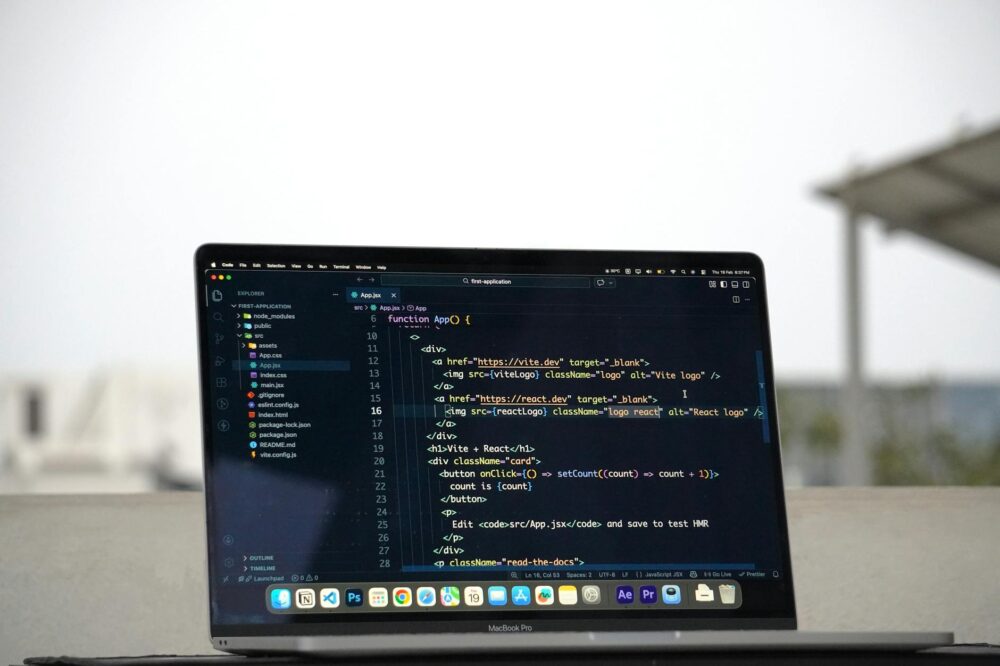
Photo by Meet Patel on Pexels