What is Local SEO and Why Is It Important for Sydney Businesses?
April 30, 2026
How to Implement Lazy Loading in 2026: A Complete Guide
April 30, 2026What Is the Role of Color Psychology in 2026 Web Design?
Introduction
As we approach 2026, web design continues to evolve at a rapid pace. Among the most influential yet often underestimated elements is color. The role of color psychology in 2026 web design extends far beyond aesthetics—it directly impacts user behavior, brand perception, and conversion rates. This article explores how color choices will define digital experiences in the near future, backed by psychological principles and emerging trends.
What Is Color Psychology?
Color psychology is the study of how colors affect human emotions, perceptions, and actions. In web design, it involves selecting hues that align with a brand’s message and evoke desired responses from users. For instance, blue often conveys trust and professionalism, while red can stimulate urgency or excitement. Understanding these associations is critical for creating effective interfaces.
The Evolution of Color in Web Design
Web design has shifted from vibrant, saturated palettes of the early 2000s to minimalist, neutral tones in the 2010s. Now, in 2026, we see a resurgence of bold, strategic color usage driven by accessibility, personalization, and emotional connection. The role of color psychology in 2026 web design reflects a deeper understanding of how color influences user experience (UX) and business goals.
From Flat Design to Emotional Design
Flat design dominated the 2010s, emphasizing simplicity and functionality. However, as digital experiences became more sophisticated, designers realized the need for emotional engagement. Color psychology emerged as a tool to humanize interfaces, creating warmth, trust, or excitement. In 2026, emotional design is paramount, and color is its primary vehicle.
Key Psychological Effects of Colors
Different colors trigger distinct psychological responses. While individual and cultural differences exist, some associations are widely recognized:
- Blue: Trust, security, calmness. Used by finance and tech companies.
- Red: Energy, urgency, passion. Effective for call-to-action buttons.
- Green: Nature, health, growth. Common in sustainability and wellness brands.
- Yellow: Optimism, warmth, attention. Use sparingly to avoid overstimulation.
- Purple: Luxury, creativity, wisdom. Popular in beauty and premium products.
- Black: Sophistication, power, elegance. Often used in luxury fashion.
- White: Simplicity, cleanliness, clarity. Foundational for minimalist designs.
In 2026 web design, these associations are leveraged with precision to guide user behavior and reinforce brand identity.
Color Trends Shaping 2026 Web Design
Several color trends are emerging that directly tie into color psychology:
Dark Mode and High Contrast
Dark mode reduces eye strain and saves battery, but its psychological effect is equally important. Dark backgrounds evoke sophistication and focus, making content stand out. High contrast combinations, like white text on deep navy, improve readability and create a sense of clarity.
Muted and Earthy Tones
As sustainability becomes a core value, earthy tones like terracotta, olive green, and warm beige are gaining popularity. These colors promote calmness and a connection to nature, aligning with eco-conscious brands. The role of color psychology here is to foster trust and authenticity.
Vibrant Accents for Engagement
While base palettes may be neutral, vibrant accent colors are used strategically to draw attention to key elements like buttons, links, or notifications. This technique leverages the psychology of contrast to guide user actions without overwhelming the senses.
Personalized Color Experiences
With AI and data analytics, websites can now adapt color schemes based on user preferences or behavior. For example, a returning user might see a warmer palette if data suggests they respond better to it. This hyper-personalization enhances emotional connection and conversion rates.
How to Apply Color Psychology in 2026 Web Design
Implementing color psychology effectively requires a strategic approach. Here are actionable steps:
1. Define Your Brand Personality
Start by identifying the emotions you want your brand to evoke. Is it trust (blue), excitement (red), or serenity (green)? Your color palette should reflect these traits consistently across all touchpoints.
2. Understand Your Audience
Cultural and demographic factors influence color perception. For instance, white symbolizes purity in Western cultures but mourning in some Eastern ones. Research your target audience to avoid misinterpretation.
3. Use Color Hierarchy
Prioritize colors based on importance. Primary colors for brand identity, secondary for backgrounds, and accent colors for calls-to-action. This structure guides users naturally through the page.
4. Ensure Accessibility
Color contrast is critical for users with visual impairments. Follow WCAG guidelines to ensure text and interactive elements are legible. Tools like contrast checkers can help verify compliance.
5. Test and Iterate
A/B testing different color schemes can reveal which combinations yield higher engagement or conversions. Analyze data to refine your palette over time.
The Future of Color Psychology in Web Design
Looking ahead, the role of color psychology in 2026 web design will expand with technological advancements. Augmented reality (AR) and virtual reality (VR) interfaces will require dynamic color systems that adapt to immersive environments. Additionally, AI-driven design tools may suggest optimal palettes based on psychological models, making color psychology more accessible to non-designers.
Conclusion
The role of color psychology in 2026 web design is not just about making sites look attractive—it’s about creating meaningful, effective user experiences. By understanding how colors influence emotions and behaviors, designers can craft interfaces that resonate deeply with users, build brand loyalty, and drive results. As trends evolve, the fundamental principle remains: color is a powerful tool that, when used wisely, transforms digital interactions. Embrace color psychology in your 2026 web design strategy to stay ahead in a visually competitive landscape.
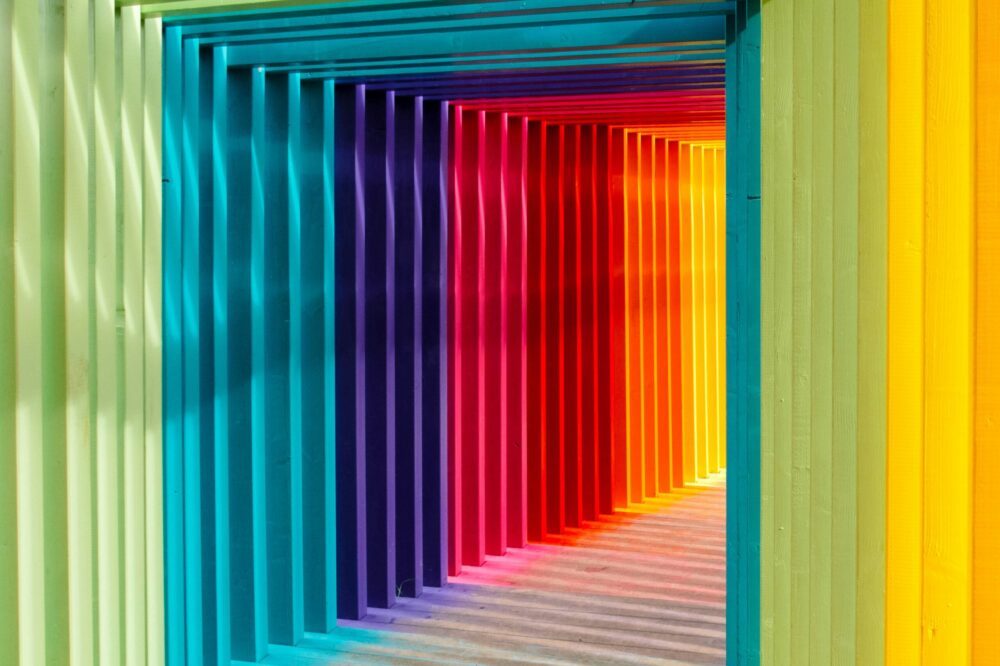
Photo by Robert Katzki on Unsplash