

How to Use AI for Automated Web Design in 2026: A Complete Guide
April 28, 2026
What Are the Best Practices for On-Page SEO in Australia 2026?
April 28, 2026What Are the Best Color Schemes for Websites in 2026? A Complete Guide
Introduction
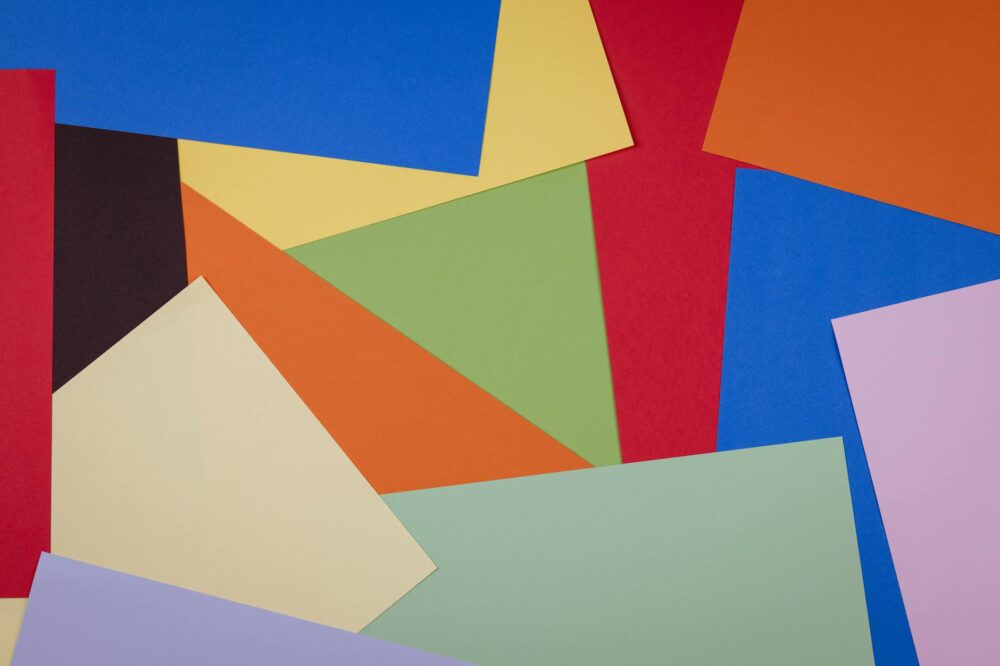
As we move into 2026, web design continues to evolve, and color plays a pivotal role in creating memorable user experiences. The best color schemes for websites in 2026 are not just about aesthetics—they influence mood, brand perception, and even conversion rates. Whether you’re redesigning a site or starting from scratch, understanding the upcoming trends can give you a competitive edge. In this article, we’ll explore the most impactful color palettes for 2026, backed by design psychology and emerging digital behaviors.
Why Color Schemes Matter More Than Ever in 2026
Color is one of the first things users notice when landing on a website. In 2026, with attention spans shorter than ever, the right color scheme can make or break user engagement. Research shows that color increases brand recognition by up to 80%, and 85% of consumers cite color as a primary reason for purchasing a product. As digital interfaces become more immersive, the best color schemes for websites in 2026 will prioritize accessibility, emotional resonance, and brand consistency.
Top Color Scheme Trends for 2026
1. Digital Lavender and Soft Purples
Digital lavender has been gaining traction and will peak in 2026. This calming hue evokes creativity and mindfulness, making it ideal for wellness apps, creative portfolios, and tech brands. Pair it with warm neutrals like beige or soft gray for a sophisticated look.
- Why it works: Purple is associated with wisdom and tranquility, perfect for reducing digital fatigue.
- Best for: SaaS products, meditation apps, and lifestyle blogs.
- Complementary colors: Peach, sage green, and off-white.
2. Neo-Mint and Fresh Greens
Green symbolizes growth, health, and sustainability. Neo-mint—a vibrant yet soft green—will dominate in 2026, especially for eco-friendly brands and fintech sites. It pairs beautifully with deep blues and charcoal for a modern contrast.
- Why it works: Green reduces anxiety and promotes a sense of balance.
- Best for: Environmental organizations, financial apps, and health websites.
- Complementary colors: Navy, coral, and cream.
3. Warm Terracotta and Earthy Tones
As biophilic design continues to rise, warm terracotta, ochre, and clay colors will be among the best color schemes for websites in 2026. These grounding shades connect users to nature and evoke comfort and reliability.
- Why it works: Earth tones feel authentic and timeless, building trust.
- Best for: E-commerce, real estate, and hospitality sites.
- Complementary colors: Olive green, mustard, and deep brown.
4. Electric Blue and Neon Accents
For brands targeting Gen Z and tech-savvy audiences, electric blue paired with neon accents (like lime green or hot pink) will be a go-to. This high-energy combination screams innovation and digital-native fluency.
- Why it works: Blue conveys trust, while neon adds excitement and modernity.
- Best for: Gaming platforms, social media tools, and startup landing pages.
- Complementary colors: White, black, and silver.
5. Minimalist Monochromes with a Pop
Monochromatic schemes—using shades of a single color—remain popular for their elegance and simplicity. In 2026, the twist is adding a single vibrant pop of color (like a bright yellow or fuchsia) to draw attention to CTAs or key elements.
- Why it works: Reduces cognitive load and creates a clean, focused user experience.
- Best for: Portfolios, corporate sites, and minimalist e-commerce.
- Complementary colors: The pop color should contrast strongly with the base.
How to Choose the Best Color Scheme for Your Website in 2026
Understand Your Brand Personality
Your color scheme should reflect your brand’s core values. For example, a luxury brand might lean toward deep burgundy and gold, while a tech startup might prefer cyberpunk-inspired neons. Align your palette with the emotions you want to evoke: trust, excitement, calm, or sophistication.
Prioritize Accessibility
In 2026, accessibility is non-negotiable. Ensure sufficient contrast between text and background colors. Use tools like WebAIM’s contrast checker to meet WCAG 2.2 AA standards. For example, avoid light gray text on white backgrounds.
Consider Dark Mode
Dark mode is now standard. The best color schemes for websites in 2026 must look equally stunning in light and dark versions. Use deep navy or charcoal as base dark colors and adjust accent hues to maintain vibrancy.
Test Psychological Impact
Colors influence behavior. Red creates urgency (good for sales), blue builds trust (great for banking), and green suggests eco-friendliness. Test your palette with A/B testing to see which combinations drive the most conversions.
Practical Tips for Implementing 2026 Color Schemes
- Start with a 60-30-10 rule: 60% dominant color, 30% secondary, 10% accent.
- Use gradients sparingly: Subtle gradients (e.g., lavender to blue) add depth without overwhelming.
- Leverage color psychology in CTAs: Use contrasting colors for buttons to make them stand out.
- Stay consistent across all pages: Maintain a unified palette to strengthen brand identity.
Examples of Brands Using 2026-Ready Color Schemes
Several forward-thinking brands are already adopting these trends. For instance, a meditation app might use a digital lavender and sage green palette to promote calm. A fintech startup could combine neo-mint with electric blue to signal innovation and security. An eco-fashion retailer might embrace warm terracotta and olive green to emphasize sustainability. These examples show how the best color schemes for websites in 2026 can be adapted to various industries.
Conclusion
The best color schemes for websites in 2026 blend psychology, accessibility, and trend awareness. From calming digital lavender to energetic electric blue, the options are vast. Remember to choose colors that resonate with your audience and reinforce your brand message. Test your palette, prioritize contrast, and don’t be afraid to experiment with bold accents. By staying ahead of these trends, your website will not only look modern but also perform better in engagement and conversions. Start planning your 2026 color strategy today—it’s one of the most impactful design decisions you’ll make.
Photo by Engin Akyurt on Pexels
