

The Impact of Site Architecture on SEO in Sydney: A Complete Guide
April 27, 2026
How to Optimize for Voice Search in Sydney: A Complete Guide for Local Businesses
April 27, 2026The Crucial Role of a Consistent Design System in Modern Digital Products
Introduction
In today’s competitive digital landscape, delivering a seamless and recognizable user experience across multiple platforms is paramount. A consistent design system serves as the backbone of this effort, ensuring that every product, page, and interaction feels unified. But what is the importance of a consistent design system? Beyond aesthetics, it impacts brand perception, development speed, and long-term scalability. This article explores the multifaceted benefits of implementing a robust design system and why it is a strategic asset for any organization.
What Is a Design System?
A design system is a comprehensive set of standards, components, and guidelines that govern the visual and functional aspects of a product. It includes design tokens, UI components, patterns, typography, color palettes, iconography, and usage rules. Unlike a simple style guide, a design system is a living, evolving resource that bridges the gap between design and development, enabling teams to create cohesive experiences at scale.
Why Consistency Matters
Consistency is the cornerstone of usability and brand recognition. When users encounter the same visual language and interaction patterns across different parts of a product, they develop mental models that reduce cognitive load. This leads to faster task completion, higher satisfaction, and increased trust. Conversely, inconsistency breeds confusion and can erode brand credibility.
Impact on User Experience
A consistent design system directly enhances user experience by providing predictable interfaces. For example, using the same button styles, form behaviors, and navigation patterns across all screens allows users to focus on their goals rather than learning new interactions. Studies show that consistency can improve task success rates by up to 30%.
Strengthening Brand Identity
Brand identity is not just a logo or a color; it is the cumulative impression users form through every interaction. A design system enforces brand guidelines consistently, ensuring that every touchpoint reinforces the brand’s values and personality. This builds a strong, recognizable brand that stands out in crowded markets.
Key Benefits of a Consistent Design System
- Improved Efficiency: Reusable components and patterns reduce duplication of effort. Designers and developers can leverage pre-built elements instead of reinventing the wheel, accelerating time-to-market.
- Enhanced Collaboration: A shared language and single source of truth align cross-functional teams. Designers, developers, product managers, and stakeholders can communicate more effectively, reducing misunderstandings and rework.
- Scalability: As products grow and new features are added, a design system ensures that consistency is maintained without manual oversight. It provides a foundation that can be extended with new components while preserving the overall cohesion.
- Cost Reduction: Fewer design and development iterations, lower maintenance overhead, and faster onboarding of new team members translate into significant cost savings over time.
- Accessibility and Quality: A well-documented design system can embed accessibility standards, ensuring that all components meet WCAG guidelines. This leads to more inclusive products and reduces legal risks.
What Is the Importance of a Consistent Design System for Teams?
For product teams, the importance of a consistent design system cannot be overstated. It acts as a single source of truth that eliminates ambiguity. Designers can focus on solving higher-level problems instead of debating pixel alignment. Developers can write cleaner, more modular code. QA teams can test against established patterns, catching inconsistencies early. Ultimately, a design system fosters a culture of consistency and quality.
Reducing Technical Debt
Without a design system, teams often accumulate “UI debt” — a patchwork of inconsistent styles and components that become increasingly difficult to maintain. A design system prevents this by providing a unified framework. When updates are needed (e.g., a brand refresh), changes can be rolled out systematically across all products, avoiding fragmented updates.
Empowering Design and Development
A design system gives designers and developers the freedom to innovate within constraints. By standardizing the common elements, teams can allocate more energy to unique features and complex workflows. It also enables rapid prototyping and experimentation, as new ideas can be built on a solid, consistent foundation.
Real-World Examples
Many industry giants have successfully implemented design systems. Google’s Material Design, IBM’s Carbon, and Shopify’s Polaris are renowned examples. These systems have enabled these companies to maintain consistency across hundreds of products and millions of users. For instance, Material Design provides a comprehensive set of guidelines and components that ensure a uniform experience across Android, web, and other platforms.
Implementing a Design System: Best Practices
- Start Small: Begin with a core set of components and guidelines. Iterate based on feedback and usage.
- Involve the Whole Team: A design system is not just a design project. Include developers, product managers, and stakeholders from the start.
- Document Thoroughly: Clear documentation with usage examples, dos and don’ts, and code snippets is essential for adoption.
- Govern and Maintain: Assign ownership and establish a process for contributions, updates, and versioning. Treat the design system as a product itself.
- Measure Success: Track metrics like component usage, time savings, and error reduction to demonstrate the value of the system.
Common Pitfalls to Avoid
- Making It Too Rigid: A design system should provide guidelines, not strict rules. Allow for flexibility when needed.
- Neglecting Maintenance: A design system that is not updated becomes obsolete. Regular audits and updates are crucial.
- Lack of Adoption: Without buy-in from the team, even the best design system will fail. Provide training and support to encourage usage.
- Overcomplicating: Start with the most common components and avoid over-engineering. Simplicity aids adoption.
Conclusion
In summary, the importance of a consistent design system extends far beyond visual coherence. It is a strategic tool that enhances user experience, strengthens brand identity, improves team efficiency, and enables scalability. By investing in a well-crafted design system, organizations can deliver high-quality, cohesive products faster and with less friction. Whether you are a startup or an enterprise, embracing a design system is a step toward sustainable growth and digital excellence.
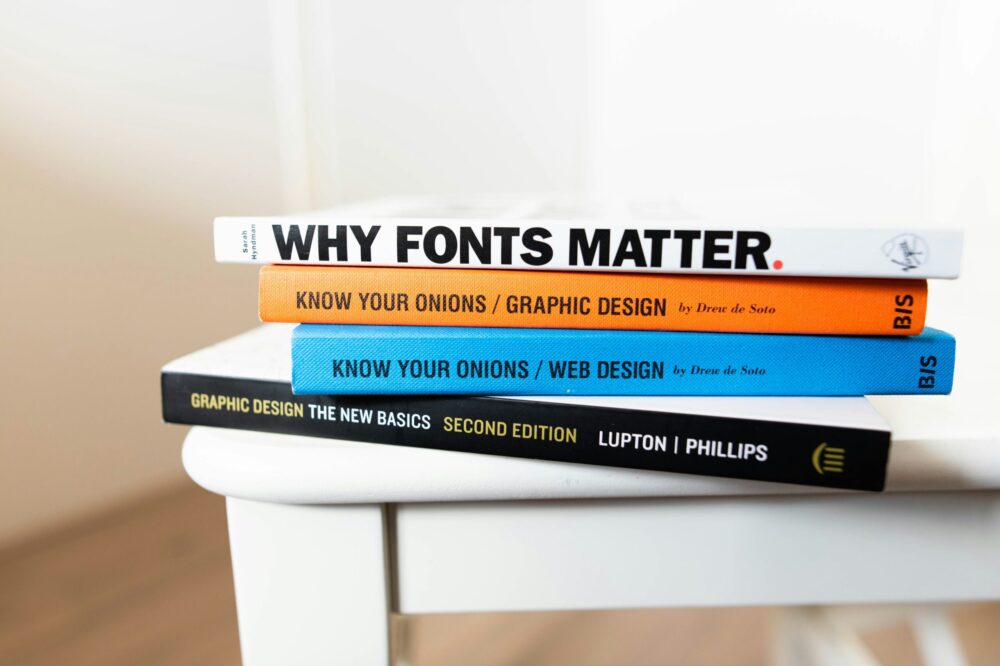
Photo by Jeroen den Otter on Unsplash
