How to Use Social Bookmarking for SEO in Sydney: A Complete Guide
April 27, 2026
What is the Role of Storytelling in Web Design?
April 27, 2026What Are the Latest Trends in Menu Design for 2026?
Introduction
Menu design is evolving rapidly, and staying ahead of the curve is essential for restaurants, cafes, and food businesses. In 2026, the latest trends in menu design are shaped by technology, sustainability, and changing consumer behaviors. From AI-powered personalization to eco-friendly materials, this article explores what’s new and how you can implement these trends to enhance your guests’ experience and boost sales.
What Are the Latest Trends in Menu Design for 2026?
Understanding the latest trends in menu design for 2026 is crucial for any food service business looking to remain competitive. These trends go beyond aesthetics; they involve strategic thinking about customer engagement, operational efficiency, and brand storytelling. Let’s dive into the key trends.
1. AI-Powered Personalization
Artificial intelligence is revolutionizing menu design by enabling hyper-personalization. In 2026, menus adapt in real-time based on customer data, preferences, and even dietary restrictions. For example, a digital menu might highlight items that a returning customer has ordered before or suggest dishes based on their past ratings. This trend not only improves the customer experience but also increases average order value.
2. Sustainable and Eco-Friendly Materials
Sustainability continues to be a major driver in menu design. In 2026, restaurants are moving away from single-use paper menus and opting for durable, recyclable, or biodegradable materials. Some are even using edible menus made from rice paper or seaweed. This aligns with consumer demand for environmentally responsible practices and can be a strong brand differentiator.
3. Minimalist and Clean Layouts
Less is more in 2026 menu design. Cluttered menus are being replaced by minimalist layouts that focus on clarity and readability. White space, simple typography, and high-quality imagery help guide the customer’s eye to key items. This trend is especially effective for digital menus where load times and visual hierarchy matter.
4. Interactive Digital Menus
Digital menus are becoming more interactive, incorporating features like videos, 360-degree views, and customer reviews. QR code menus are evolving into full-fledged digital experiences where guests can swipe through categories, filter by dietary needs, and even place orders directly from the menu. This trend enhances engagement and reduces friction in the ordering process.
5. Data-Driven Menu Engineering
Menu design in 2026 is heavily influenced by data analytics. Restaurants use sales data, customer feedback, and even weather patterns to optimize menu layouts. High-margin items are placed in prime positions, and underperforming dishes are rotated out. This trend ensures that the menu is not just visually appealing but also profitable.
6. Storytelling Through Design
Customers crave authentic connections, and menus are becoming storytelling tools. In 2026, menus include narratives about the origin of ingredients, the chef’s inspiration, or the restaurant’s commitment to local sourcing. This trend builds brand loyalty and adds emotional value to the dining experience.
7. Augmented Reality (AR) Menus
Augmented reality is making its way into menu design. By scanning a QR code or pointing their phone at a menu item, customers can see a 3D rendering of the dish, watch it being prepared, or view nutritional information in an immersive way. This trend is still emerging but is expected to grow as AR technology becomes more accessible.
8. Dynamic Pricing and Specials
In 2026, menus feature dynamic pricing based on demand, time of day, or inventory levels. Digital menus can update prices in real-time, and specials are highlighted using color or animation. This trend helps restaurants manage costs and maximize revenue while offering customers timely deals.
9. Inclusive and Accessible Design
Accessibility is a key consideration in menu design. In 2026, menus are designed to be readable by people with visual impairments, using high-contrast colors, large fonts, and braille options for physical menus. Digital menus include screen reader compatibility and language translation features. This trend ensures that every guest feels welcome.
10. Voice-Activated Menus
With the rise of smart speakers and voice assistants, voice-activated menus are becoming more common. Customers can browse the menu and place orders using voice commands, either at a kiosk or through their own devices. This trend offers a hands-free, convenient experience, especially for drive-thrus and fast-casual settings.
How to Implement These Trends in Your Restaurant
Implementing the latest trends in menu design for 2026 requires a strategic approach. Here are actionable steps:
- Start with digital: Invest in a robust digital menu platform that allows for easy updates and personalization.
- Focus on sustainability: Choose eco-friendly materials for physical menus and promote your efforts to customers.
- Use data: Analyze your sales data to identify which items to feature and where to place them.
- Test interactivity: Experiment with AR or video elements on a few signature dishes to gauge customer response.
- Prioritize accessibility: Ensure your menu is easy to read and navigate for all guests.
- Tell your story: Use menu descriptions to convey your brand’s values and the story behind your food.
Benefits of Adopting 2026 Menu Design Trends
Embracing the latest trends in menu design for 2026 offers numerous benefits:
- Increased customer engagement: Interactive and personalized menus keep customers interested and encourage exploration.
- Higher sales: Strategic placement and dynamic pricing can boost average check size.
- Improved operational efficiency: Digital menus reduce printing costs and allow for instant updates.
- Enhanced brand image: Sustainable and inclusive design demonstrates social responsibility.
- Better customer insights: Data from digital menus helps you understand preferences and tailor offerings.
Conclusion
The latest trends in menu design for 2026 reflect a shift towards technology, sustainability, and customer-centricity. By incorporating AI personalization, interactive digital elements, and eco-friendly materials, you can create a menu that not only looks great but also drives results. Whether you run a fine-dining establishment or a quick-service restaurant, staying informed about these trends will help you delight your guests and stay ahead of the competition. Start planning your menu redesign today to make the most of these exciting developments.
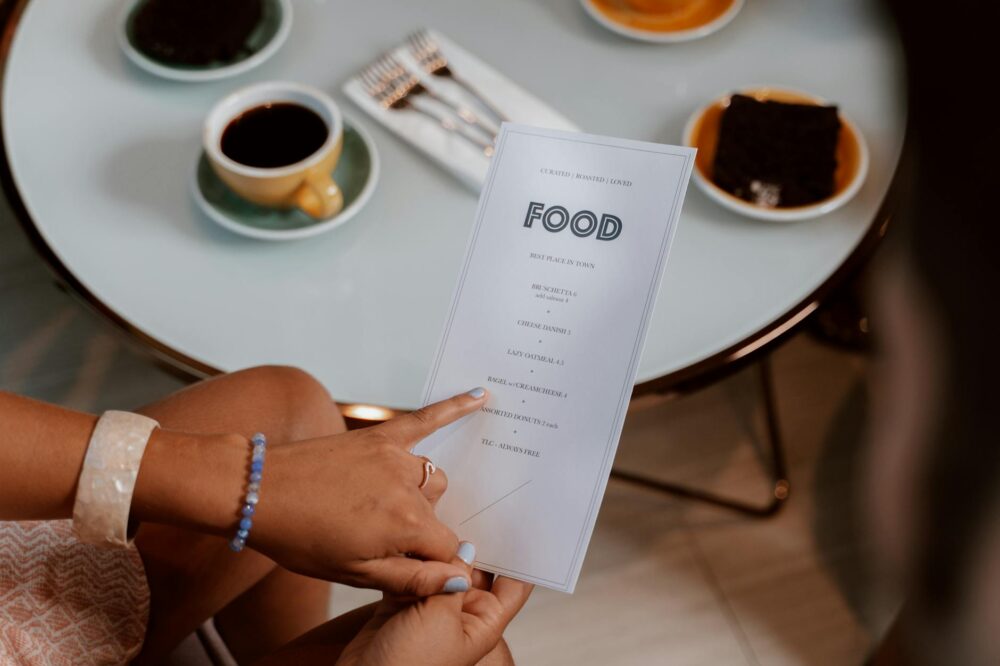
Photo by RDNE Stock project on Pexels