

How to Get Backlinks from Sydney Websites: A Proven Strategy for Local SEO
April 29, 2026
What Is the Importance of Local Citations for Melbourne SEO?
April 29, 2026What Is the Role of User Testing in 2026 Web Design?
Introduction
User testing has always been a cornerstone of effective web design, but in 2026, its role has evolved dramatically. With the rise of artificial intelligence, voice interfaces, augmented reality, and hyper-personalization, designers can no longer rely solely on best practices or intuition. The question “What is the role of user testing in 2026 web design?” demands a forward-looking answer. In this article, we explore how user testing has transformed into a continuous, data-driven, and deeply human-centric practice that validates every design decision. From AI-powered analytics to emotional response measurement, user testing in 2026 is about ensuring that websites are not only functional but also empathetic, inclusive, and delightful.
The Evolution of User Testing in Web Design
User testing has come a long way from simple A/B tests and lab observations. By 2026, it has become an integrated part of the design lifecycle, leveraging advanced technologies to capture real-time feedback. Traditional methods like moderated usability tests still exist, but they are now supplemented by automated tools that analyze user behavior at scale. The role of user testing in 2026 web design is to bridge the gap between what designers assume and what users actually experience. It ensures that websites meet the high expectations of modern users who demand speed, accessibility, and personalization.
From Reactive to Proactive Testing
In the past, user testing often happened late in the design process, leading to costly revisions. Today, testing is proactive. Designers use predictive analytics and heatmaps to identify potential issues before they become problems. Continuous testing loops allow for rapid iteration, making user feedback an ongoing conversation rather than a one-time event.
AI and Machine Learning Integration
Artificial intelligence plays a pivotal role in 2026 user testing. AI can analyze thousands of user sessions to detect patterns, predict user behavior, and even suggest design improvements. For example, machine learning algorithms can identify which parts of a page cause confusion or frustration, enabling designers to make data-backed changes. This integration means that user testing is no longer limited to small sample sizes but can scale to entire user bases.
Key Areas Where User Testing Matters in 2026
User testing in 2026 web design touches every aspect of the user experience. Here are the critical areas where it makes the most impact:
Accessibility and Inclusive Design
With increasing legal requirements and ethical standards, accessibility is non-negotiable. User testing ensures that websites are usable by people with disabilities, including those who rely on screen readers, voice commands, or alternative input methods. In 2026, testing includes diverse user groups with varying abilities, ensuring compliance with WCAG 3.0 guidelines. The role of user testing here is to uncover barriers that automated tools might miss, such as confusing navigation for cognitive disabilities or insufficient color contrast for low vision.
Emotional Design and User Satisfaction
Web design in 2026 focuses not just on usability but also on emotional engagement. User testing measures emotional responses through biometric sensors, facial expression analysis, and self-reporting tools. Designers can see if a layout evokes trust, delight, or anxiety. This emotional data helps refine micro-interactions, animations, and tone of voice to create a more human connection.
Voice and Conversational Interfaces
As voice assistants become ubiquitous, user testing for voice user interfaces (VUIs) is essential. Testing how users phrase commands, how they recover from errors, and how they perceive the personality of the system ensures that voice interactions feel natural. In 2026, user testing for VUIs involves both simulated and real-world scenarios to account for ambient noise, accents, and context.
Personalization and Adaptive Content
Hyper-personalization is a key trend, but it must be validated. User testing helps determine whether personalized content feels relevant or intrusive. A/B testing of different personalization algorithms, recommendation engines, and dynamic layouts ensures that users receive a tailored experience without sacrificing privacy or control.
Methods and Tools for User Testing in 2026
The toolbox for user testing has expanded significantly. Here are some of the most effective methods used in 2026:
- AI-Powered Usability Testing: Tools like UserTesting and Lookback now incorporate AI to automatically identify usability issues from session recordings, reducing manual analysis time.
- Remote Unmoderated Testing: With global teams, remote testing platforms allow designers to gather feedback from users in different time zones and cultures quickly.
- Biometric Testing: Eye-tracking, heart rate monitors, and galvanic skin response sensors provide objective data on user engagement and stress levels.
- Voice-Controlled Testing: Specialized platforms simulate voice interactions and measure accuracy, completion rates, and user satisfaction.
- Real-Time Feedback Widgets: In-page widgets like Hotjar or Qualaroo collect contextual feedback without interrupting the user flow.
Integrating User Testing into the Design Process
To maximize the benefits, user testing must be woven into every stage of design. Here’s how it fits in 2026:
Discovery and Research
Early testing with low-fidelity prototypes or concept sketches helps validate assumptions about user needs. This stage often uses card sorting, tree testing, and surveys to inform information architecture.
Design and Prototyping
Interactive prototypes are tested iteratively. Designers use tools like Figma with integrated testing plugins to gather feedback directly within the design environment. A/B testing of variations helps refine layouts, copy, and visual hierarchy.
Development and Launch
During development, continuous testing ensures that new features work as intended. Automated regression testing and user acceptance testing (UAT) catch bugs and usability issues before launch. Post-launch, monitoring tools track real-world usage to identify areas for improvement.
Challenges in User Testing for 2026
Despite its importance, user testing in 2026 faces several challenges:
- Data Privacy: With stricter regulations like GDPR and CCPA, collecting user data requires explicit consent and transparent practices. Anonymizing data while maintaining its utility is a balancing act.
- Bias in AI: AI tools can inherit biases from training data, leading to skewed results. Designers must regularly audit algorithms and include diverse user groups in testing.
- User Fatigue: Users are bombarded with requests for feedback. Keeping tests short, engaging, and incentivized is crucial to maintain participation.
- Complexity of Multi-Device Testing: With websites accessed on phones, tablets, desktops, wearables, and even cars, testing across all devices and contexts is resource-intensive.
Best Practices for Effective User Testing in 2026
To get the most out of user testing, follow these guidelines:
- Test Early and Often: Don’t wait until the design is polished. Test rough concepts to catch fundamental issues.
- Recruit Representative Users: Ensure your test participants reflect your target audience, including diverse abilities, backgrounds, and tech literacy.
- Combine Quantitative and Qualitative Data: Numbers tell you what is happening; user comments tell you why. Use both for a complete picture.
- Focus on Tasks, Not Features: Test real user goals, such as “book a flight” or “find product reviews,” rather than isolated features.
- Iterate Based on Findings: User testing is useless if the insights aren’t acted upon. Prioritize issues and implement changes in cycles.
The Future Beyond 2026
Looking ahead, user testing will continue to evolve. We can expect deeper integration with augmented reality (AR) and virtual reality (VR), where testing will involve spatial interactions and 3D environments. Brain-computer interfaces may one day allow direct measurement of cognitive load. However, the core principle will remain: understanding the user is the key to great design. The role of user testing in 2026 web design is to keep human needs at the center of an increasingly complex digital world.
Conclusion
In 2026, user testing is not just a step in the design process—it is the engine that drives user-centered innovation. From accessibility to emotional design, from voice interfaces to personalization, testing validates that our designs work for real people in real contexts. The question “What is the role of user testing in 2026 web design?” is answered by its pervasive influence: it ensures that technology serves humanity, not the other way around. By embracing continuous, data-informed, and empathetic testing, designers can create websites that are not only functional but truly delightful. As we move forward, investing in user testing is investing in the success and sustainability of every digital product.
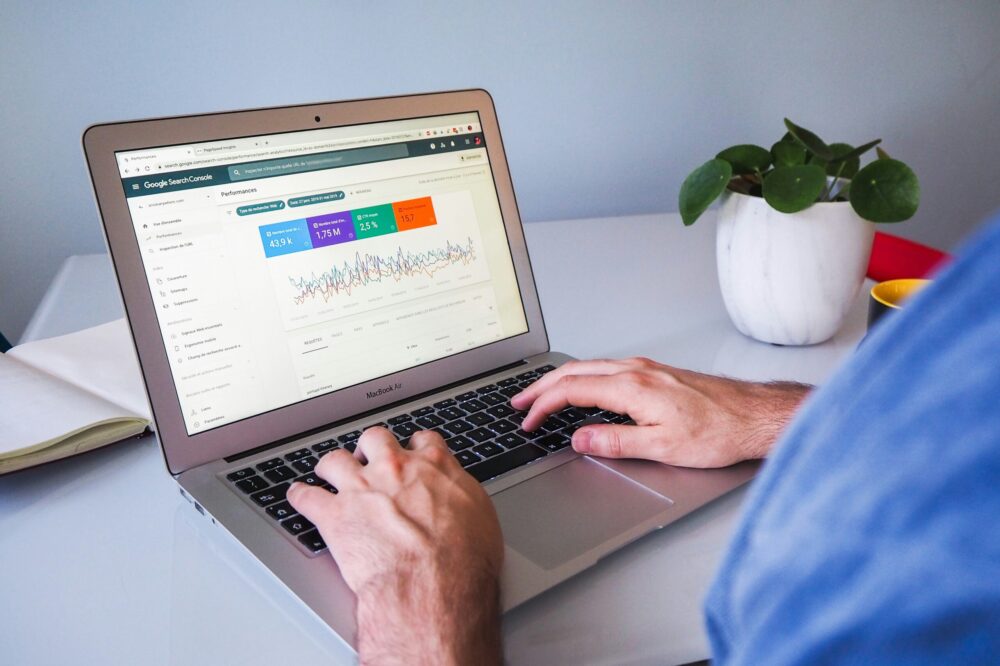
Photo by Myriam Jessier on Unsplash
