
How to Use Asymmetric Grids in Web Design 2026: A Complete Guide
April 27, 2026
How to Do SEO for a Melbourne Construction Company: A Complete Guide
April 27, 2026What Are the Trends in Minimalist Web Design for 2026?
Introduction
Minimalist web design has long been a cornerstone of effective user experience, but the definition of minimalism is evolving. As we look toward 2026, the question “What are the trends in minimalist web design for 2026?” demands a fresh perspective. No longer just about white space and sans-serif fonts, the new minimalism blends aesthetics with functionality, sustainability, and advanced technology. In this article, we explore the key trends shaping minimalist web design in 2026, offering actionable insights for designers, developers, and business owners seeking to create clean, high-performing websites.
1. Brutalist Minimalism: Raw and Unpolished
Brutalist minimalism is gaining traction as a reaction to overly polished interfaces. This trend embraces raw, unadorned elements—think exposed grids, monochrome palettes, and intentionally clunky typography. In 2026, brutalist minimalism isn’t about being messy; it’s about stripping away everything unnecessary to reveal the core content. Expect to see more websites using stark contrasts, oversized type, and minimal imagery to make a bold statement.
Key Characteristics
- Monochrome or limited color schemes – Often black, white, and one accent color.
- Asymmetrical layouts – Breaking the grid to create visual tension.
- Functional animations – Subtle micro-interactions that guide users without distraction.
2. AI-Driven Personalization with Minimalist Interfaces
Artificial intelligence is reshaping minimalism by enabling hyper-personalized experiences without visual clutter. In 2026, minimalist websites will use AI to adapt content, layout, and navigation based on user behavior—all while maintaining a clean aesthetic. The challenge is to hide complexity behind simple interfaces. For example, a minimalist homepage might show different hero sections to returning visitors versus new users, all within the same uncluttered framework.
How AI Enhances Minimalism
- Dynamic content blocks – Only relevant information is displayed.
- Predictive search – Minimalist search bars that anticipate queries.
- Personalized microcopy – Tailored text that feels human and direct.
3. Sustainable and Eco-Friendly Minimalism
As environmental concerns grow, minimalist web design in 2026 will prioritize sustainability. This means leaner code, optimized images, and dark mode defaults to reduce energy consumption. The aesthetic aligns perfectly with minimalism’s core principle of “less is more.” Expect to see more websites proudly displaying their low-carbon footprint, using earthy color palettes, and incorporating nature-inspired visuals sparingly.
Practical Steps for Sustainable Minimalism
- Reduce page weight – Use compressed assets and efficient CSS.
- Choose green hosting – Partner with data centers powered by renewable energy.
- Simplify animations – Avoid heavy motion graphics that drain battery.
4. Typography as the Hero
In 2026, typography takes center stage in minimalist design. With fewer visual elements, the choice of typeface becomes crucial. Designers are moving beyond standard web fonts to custom variable fonts that offer flexibility and personality. Large, expressive headlines paired with generous white space create a striking visual hierarchy. The trend also includes experimental typography that blurs the line between text and image, all while maintaining readability.
Typography Trends to Watch
- Variable fonts – One font file that adjusts weight, width, and slant.
- Serif revivals – Classic serifs used in modern, minimalist contexts.
- Kinetic typography – Subtle motion in headlines to capture attention.
5. Immersive Minimalism with Micro-Interactions
Minimalism doesn’t mean static. In 2026, micro-interactions will play a key role in enhancing user engagement without adding clutter. These small, purposeful animations—like a button that morphs on hover or a loading spinner that tells a story—create a sense of delight. The key is restraint: every interaction must serve a function. For example, a minimalist portfolio site might use a subtle parallax effect on scroll to reveal content layers, but only if it aids storytelling.
Examples of Effective Micro-Interactions
- Hover states – Color shifts or underlines that indicate clickability.
- Scroll-triggered reveals – Elements fading in as the user moves down the page.
- Form feedback – Real-time validation without error pages.
6. Asymmetry and Broken Grids
Symmetry has long been a hallmark of minimalism, but 2026 will see a shift toward intentional asymmetry. Designers are deliberately breaking the grid to create dynamic, memorable layouts. This doesn’t mean chaos; instead, it’s a carefully balanced imbalance. For instance, a large image might sit off-center, with text wrapping around it in an unexpected way. This trend adds visual interest while maintaining a clean overall look.
How to Use Asymmetry Effectively
- Balance with white space – Let empty areas guide the eye.
- Use contrasting sizes – Pair large elements with small ones.
- Align with purpose – Every off-grid element should have a reason.
7. Dark Mode as a Design Standard
Dark mode has evolved from a user preference to a design standard in 2026. Minimalist websites often default to dark backgrounds, which reduce eye strain and create a sleek, modern feel. The trend goes beyond simple inversion: designers are crafting dedicated dark mode palettes with subtle gradients and glowing accents. The key is to maintain contrast and readability while embracing the dramatic effect of dark minimalism.
Best Practices for Dark Minimalism
- Use true blacks sparingly – Dark grays are easier on the eyes.
- Highlight with color – One bright accent color for calls to action.
- Test readability – Ensure text meets accessibility standards.
8. Minimalist Navigation: Hamburger Menus and Beyond
In 2026, navigation in minimalist design is all about simplicity and speed. The classic hamburger menu remains popular, but new patterns are emerging. Expect to see more websites using sticky bottom navigation for mobile, voice-activated menus, and gesture-based controls. The goal is to hide complexity while making key actions instantly accessible. For desktop, horizontal menus with dropdowns are being replaced by mega-menus that appear on hover, but only if they reduce clicks.
Navigation Innovations
- Bottom navigation bars – Thumb-friendly for mobile users.
- Voice search integration – Minimalist input with maximum convenience.
- Progressive disclosure – Show more options only when needed.
9. Data Visualization and Infographics
Minimalist design doesn’t shy away from data; instead, it presents it in a clean, digestible way. In 2026, expect to see more minimalist websites using interactive charts, graphs, and infographics that load quickly and are easy to understand. The aesthetic is stripped-down: no 3D effects, no excessive colors—just clear, functional visuals that tell a story. This trend is particularly popular in B2B and educational sites.
Tips for Minimalist Data Visualization
- Use a single color palette – Stick to one or two hues.
- Remove gridlines and borders – Let the data breathe.
- Animate transitions – Smooth changes that don’t distract.
10. The Return of Skeuomorphism (Minimalist Version)
Surprisingly, skeuomorphism is making a comeback—but in a minimalist form. In 2026, designers are using subtle textures and shadows to add depth without clutter. For example, a button might have a slight gradient and drop shadow that mimics a physical object, but the overall interface remains clean. This trend bridges the gap between flat design and realism, creating a tactile feel that users find intuitive.
How to Apply Minimalist Skeuomorphism
- Use realistic icons – Simple, but with texture.
- Add subtle depth – Light shadows and gradients.
- Maintain simplicity – Avoid excessive details.
Conclusion
As we approach 2026, the trends in minimalist web design reflect a broader shift toward intentionality, sustainability, and personalization. The question “What are the trends in minimalist web design for 2026?” reveals that minimalism is no longer just about aesthetics—it’s about creating meaningful, efficient, and responsible digital experiences. Whether through brutalist minimalism, AI-driven interfaces, or eco-friendly practices, the core principle remains: every element must earn its place. By embracing these trends, designers can craft websites that are not only visually stunning but also deeply functional and future-proof.
Stay ahead of the curve by experimenting with asymmetry, prioritizing typography, and leveraging micro-interactions. Remember, true minimalism is about removing the unnecessary so that the necessary may speak. In 2026, let your design speak volumes through its silence.
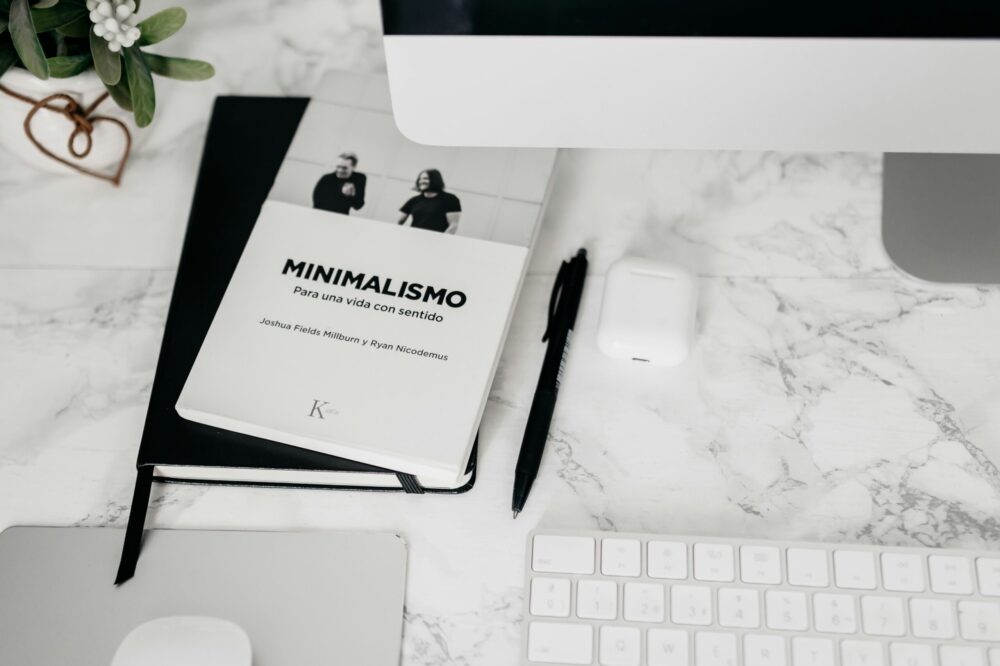
Photo by BRUNO CERVERA on Unsplash